Sports medicine, built around your return.
Dr. Kelly is a fellowship-trained sports medicine surgeon in the Tri-Cities who has spent his career on sidelines and in operating rooms. He competed himself, years ago — what he brings to your injury is everything that came after.
From the sideline to the OR.
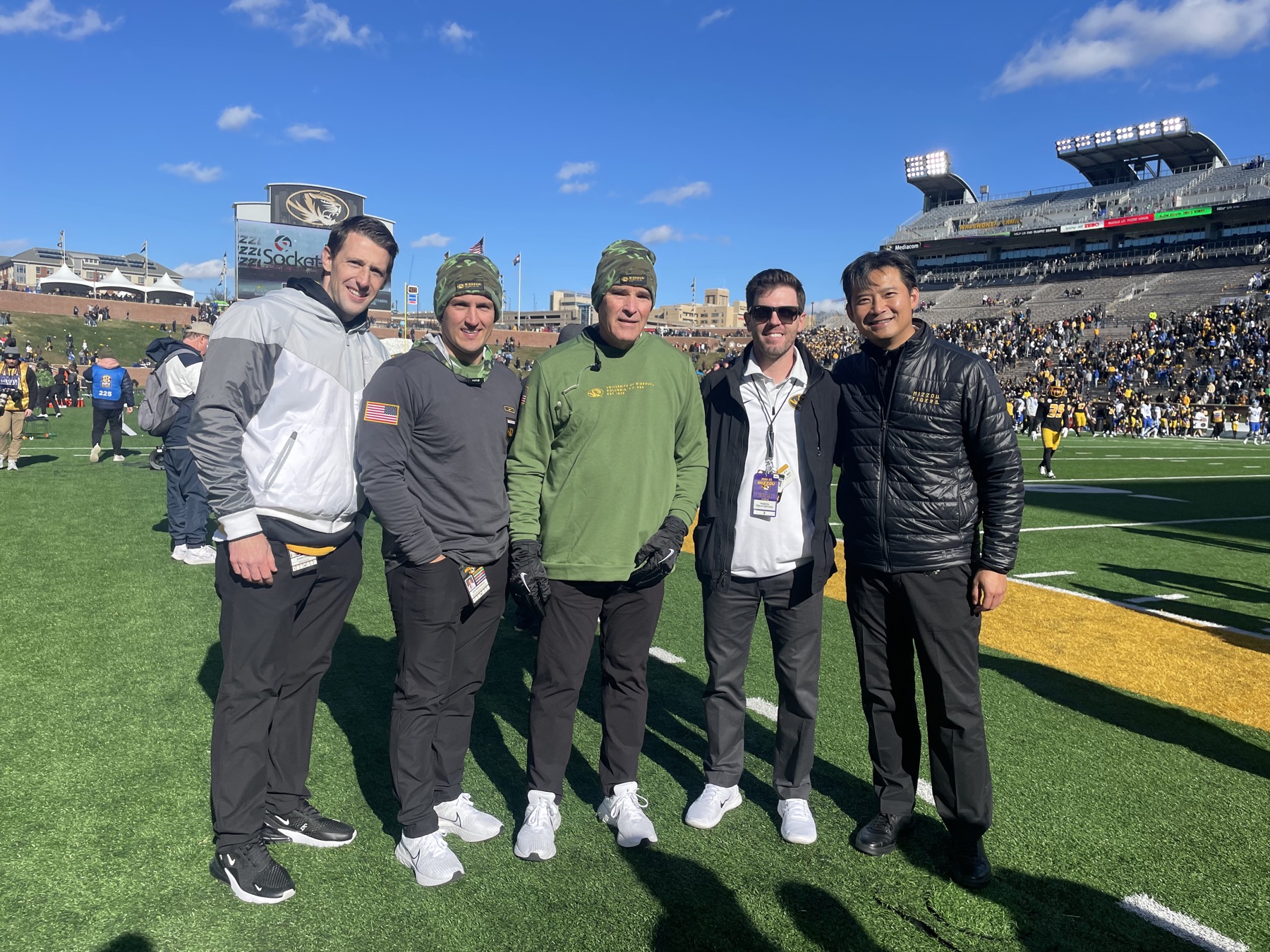
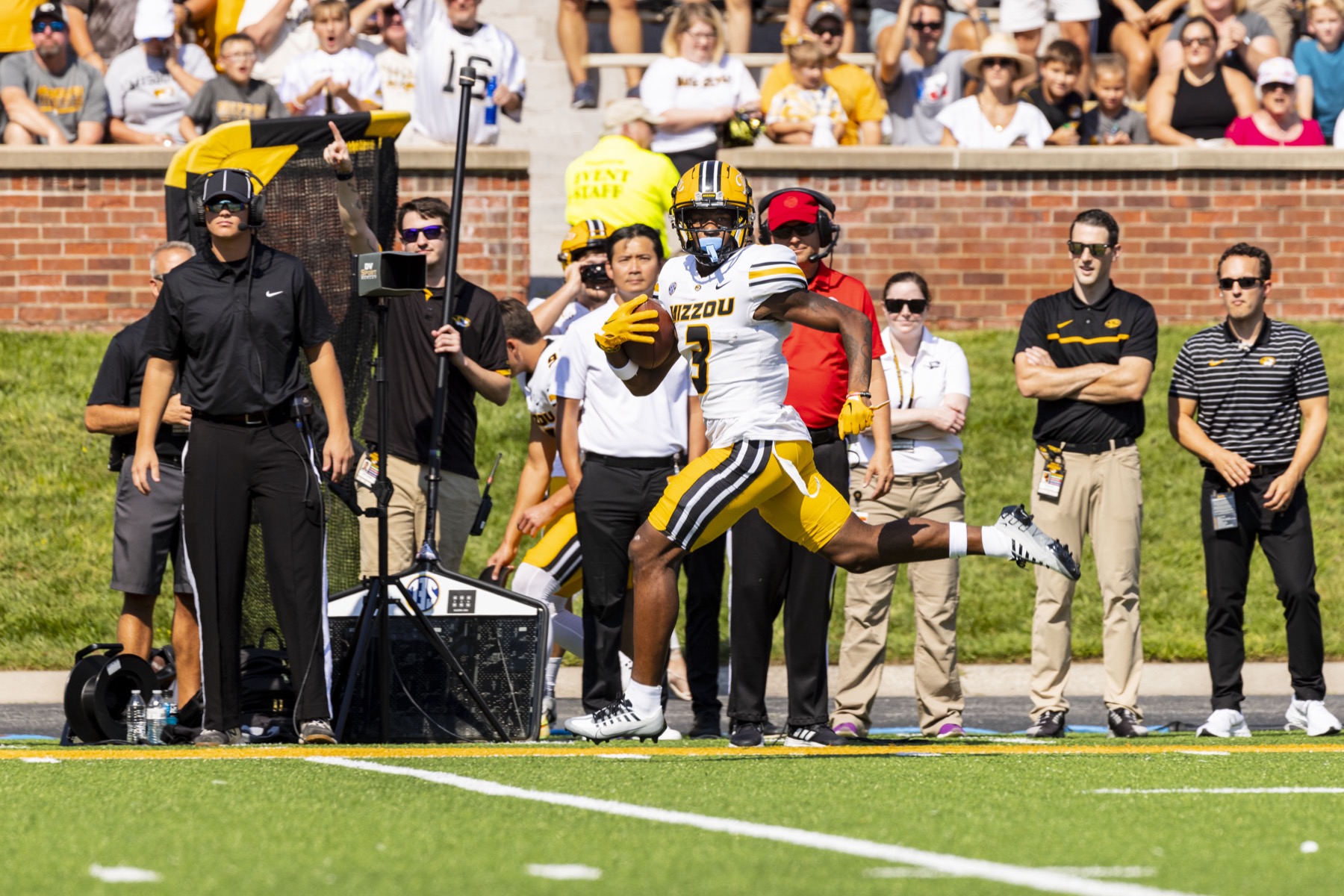
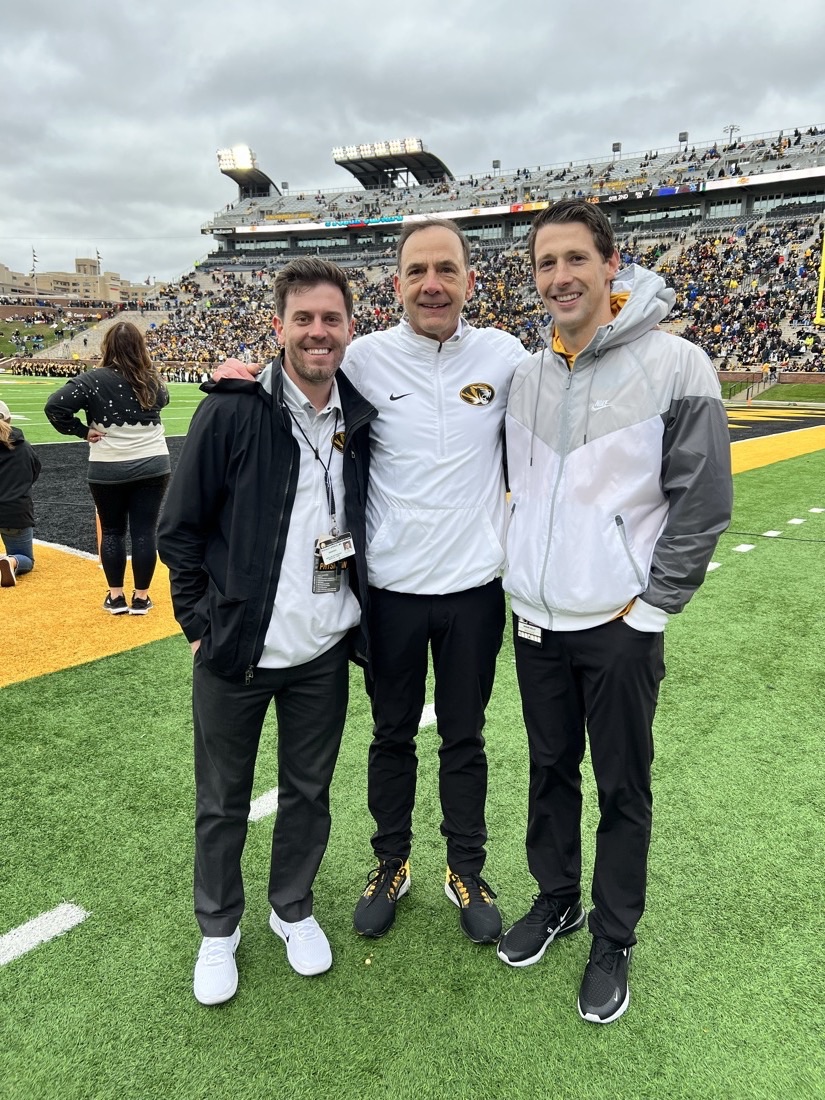
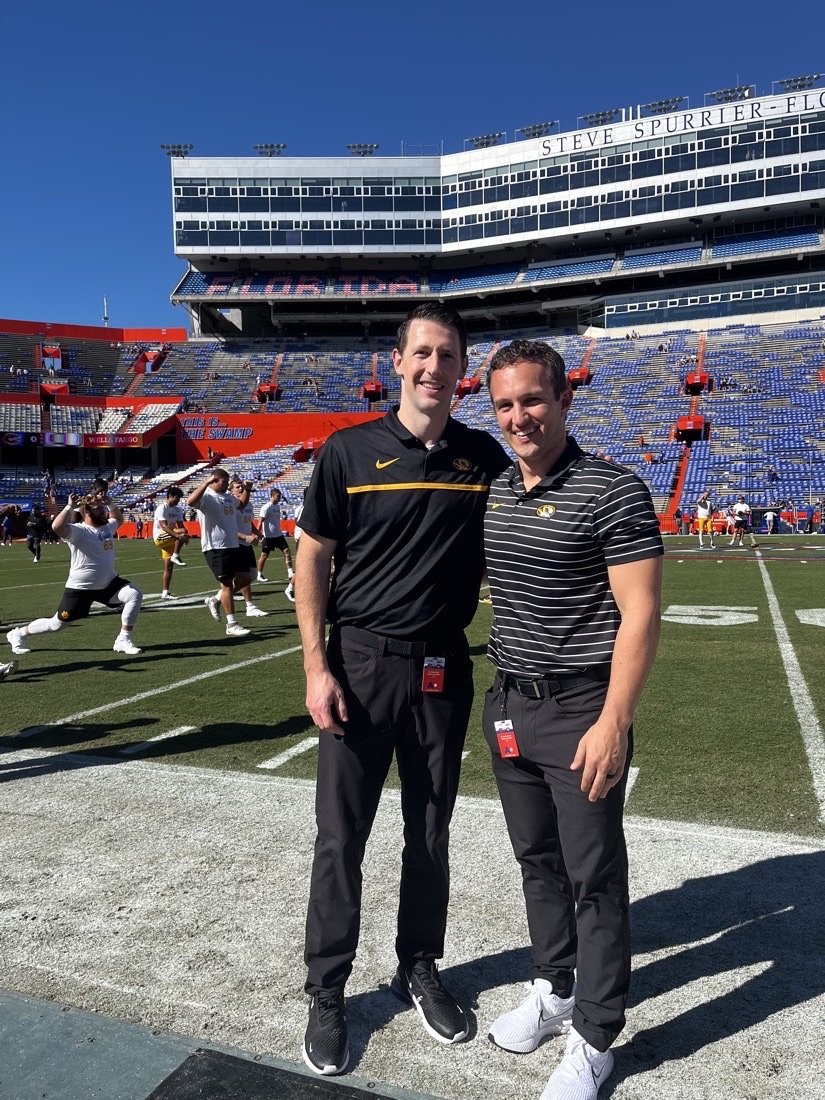
Dr. Kelly completed his orthopedic sports medicine fellowship at the University of Missouri, covering Division I football, basketball, baseball, and volleyball, then served as head team physician at the University of Southern Indiana before bringing that work home to the Tri-Cities.
Sideline medicine teaches you to make a call with a season on the line and a worried parent standing next to you. That's the habit he brought back — on Friday nights here in the Tri-Cities, and in the exam room on Monday morning.
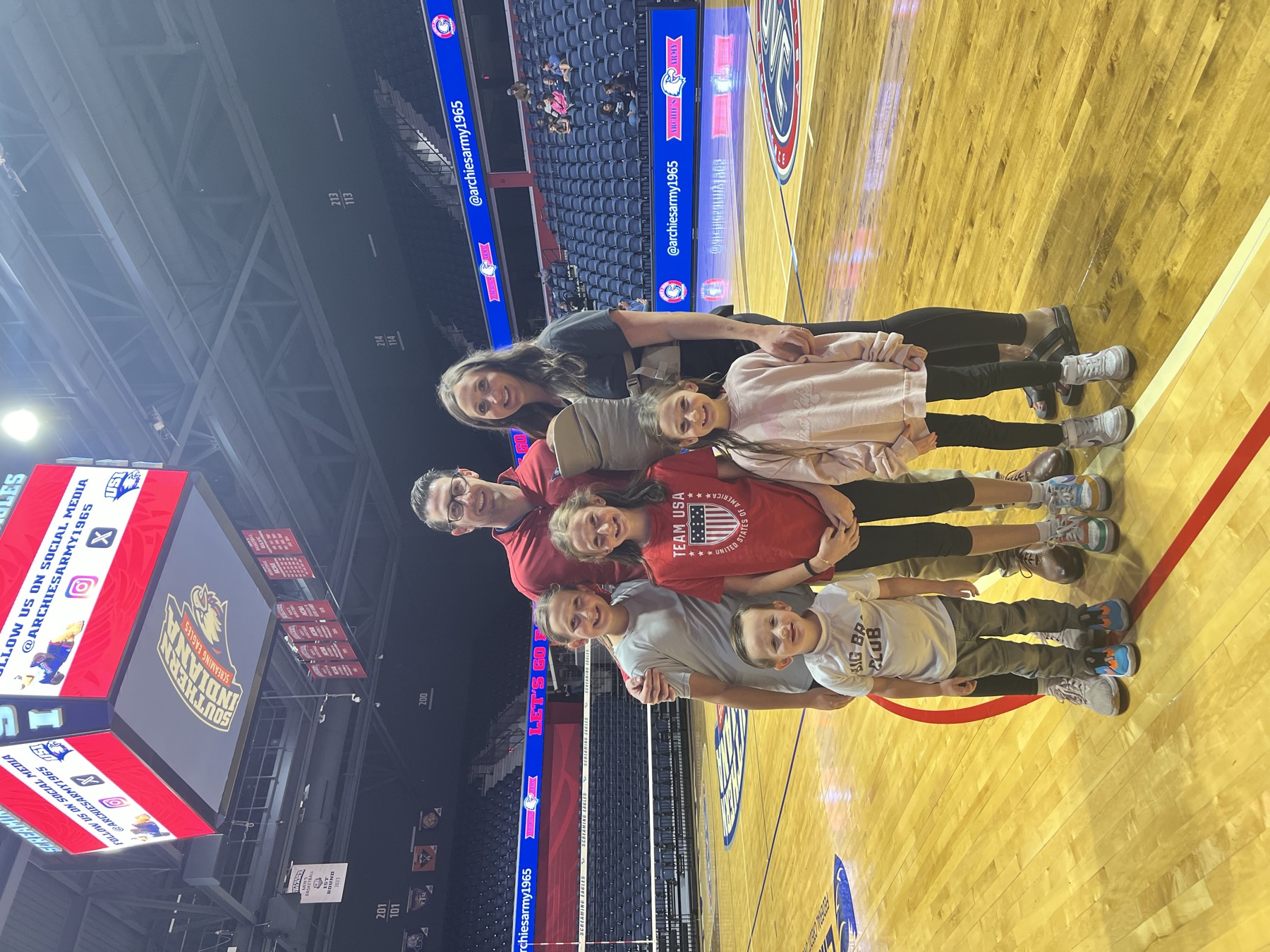

Now it's your season.
Dr. Kelly grew up on a farm north of Pasco and earned All-State honors in three sports at Pasco High — football, basketball, and soccer — with several state titles along the way.
That background is useful to you for one reason: it shapes the questions he asks. Not just whether it hurts, but what position you play, when your season starts, and what you'll be asked to do in week three. He knows the difference between sore and hurt, what it costs to guess wrong on that, and how much of an athlete is tied up in the next practice.
So what you get is a return-to-your-sport plan rather than a generic recovery timeline — staged, honest about the milestones, and built around the sport you're going back to. He'll tell you when to push and when to wait, and he'll tell you why.
Still on a sideline most weekends.
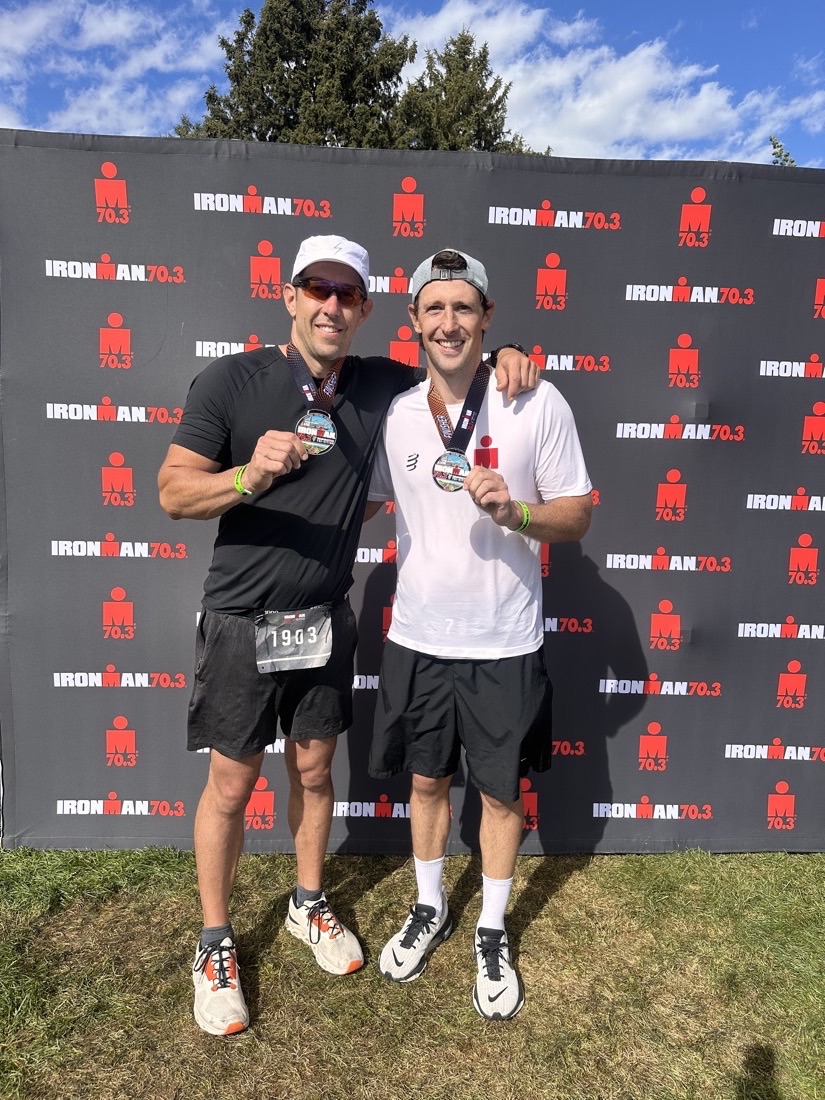
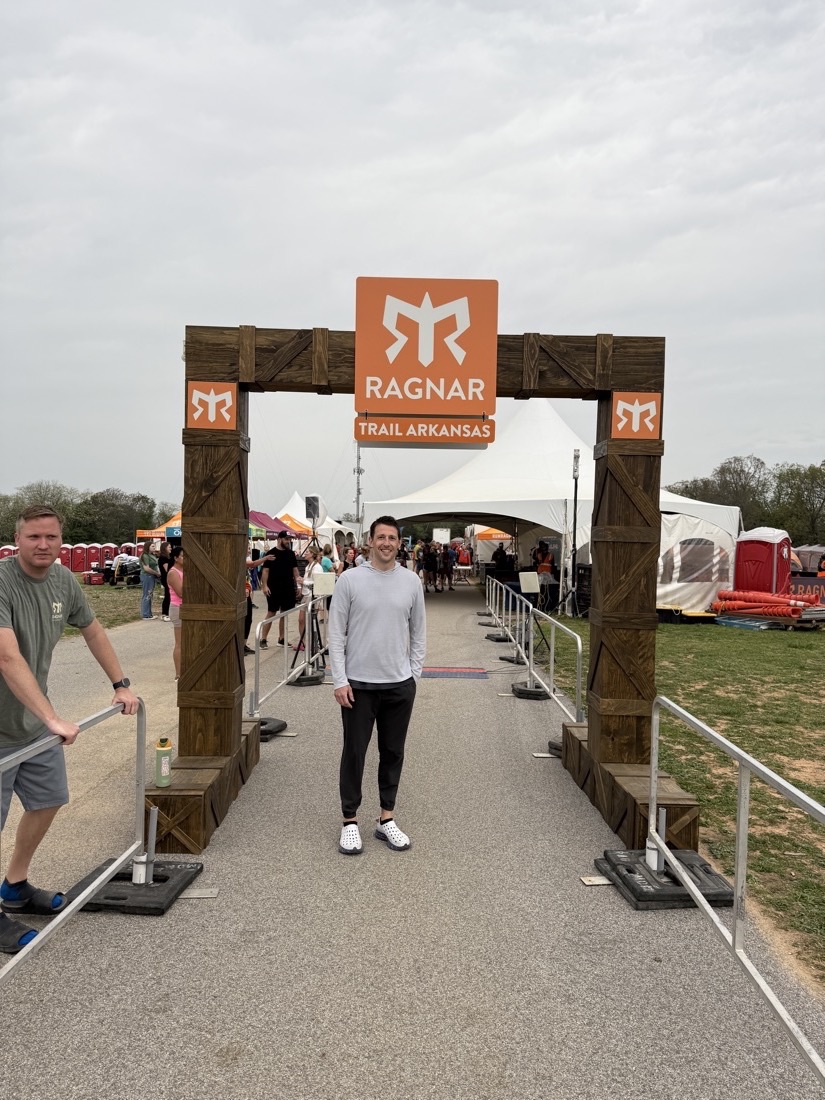
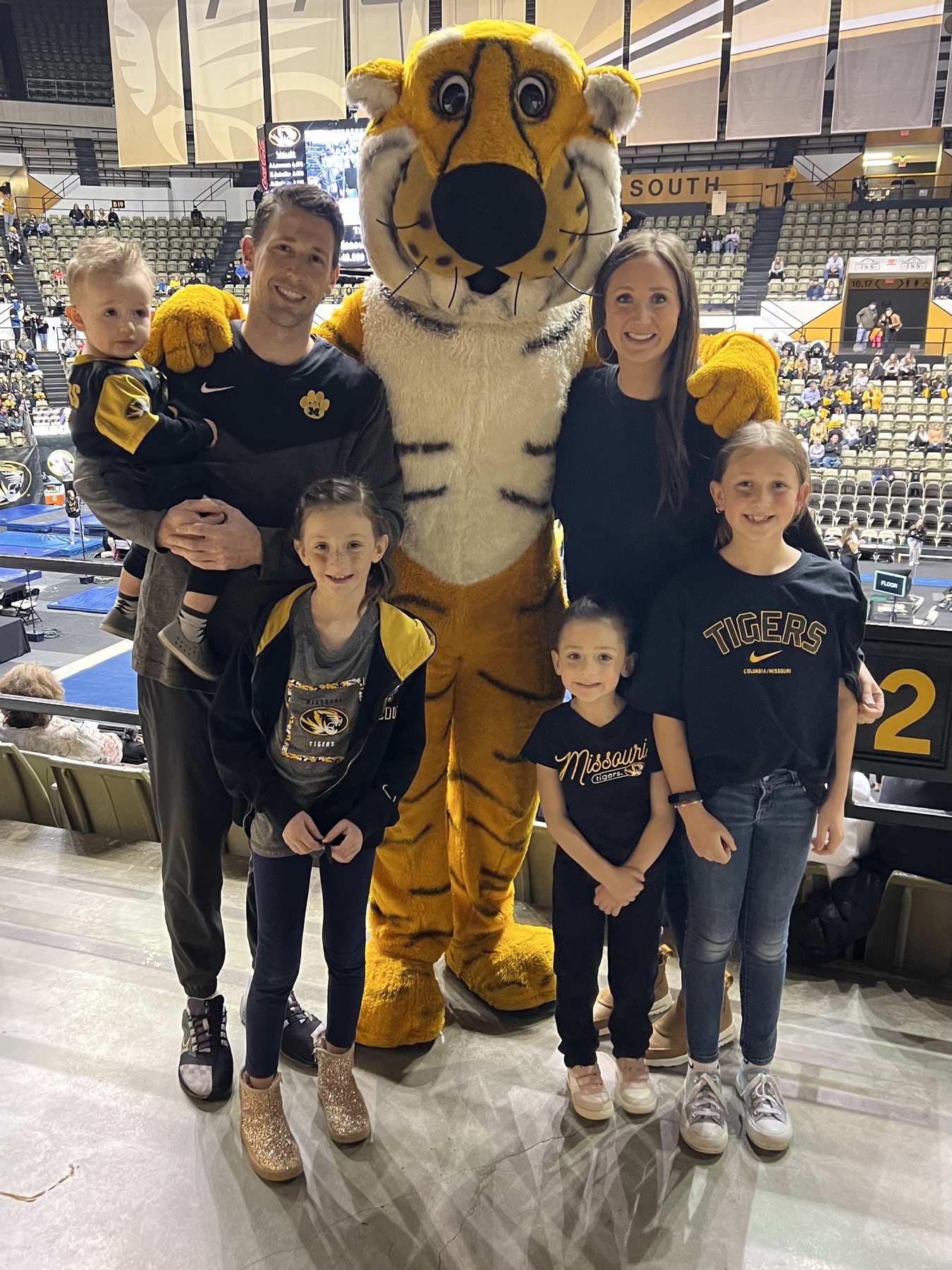
Mizzou taught him sideline medicine; these days you'll find him on Tri-Cities sidelines — Friday night high school football, his own kids' games, Tri-City Americans games, and local rodeos including the Benton Franklin Fair & Rodeo. In between there are trail runs, mountain bike miles, Ragnar legs, and the occasional 70.3. Sports here are growing fast, and he wants a hand in building that.




Built for the comeback.
Whether you compete on Friday nights, chase a triathlon finish line, or live in the CrossFit box — if you push your body, the goal is the same: get you back, and keep you there.
Return-to-Play Planning
A staged plan to get you back to your level — and keep you there.
ACL & Ligament Reconstruction
Modern grafts and rehab for cutting and contact sports.
Game-Day & Sideline Care
Evaluation and management for in-season injuries.
Endurance & CrossFit Athletes
Care for triathletes, CrossFitters, runners, and weekend warriors.
Throwing & Overhead Programs
Shoulder and elbow care tuned for throwers.
Biologics (PRP)
Regenerative options to support and speed healing.
Why does my child's heel or knee hurt after practice?
The question he gets more than any other standing on a Tri-Cities sideline.
Every preseason it's the same story: a kid limps off the field the first week of practice, then swears they're fine. Here's what's usually going on. Kids' bones grow faster than their tendons. Where a tendon pulls on growing bone — the heel, or the bump below the kneecap — that spot gets irritated when practice ramps up fast. In ten-to-thirteen-year-olds, heel pain like this is often something called Sever's. Below the kneecap, the usual culprit is Osgood-Schlatter.
The reassuring part: most of the time this settles with a short rest, stretching, and better shoes — not surgery, and usually not quitting the season. But playing through it tends to make it louder, which is why "tough it out" is the one piece of sideline advice that usually backfires.
When does Dr. Kelly actually want to see a young athlete? A limp lasting more than a few days, pain at night, swelling, or pain that started with a specific twist or fall — none of that should be written off as growing pains until the heel or knee has been examined.
And the bigger-picture question parents ask: should a kid play one sport year-round? Published research and AAOS patient guidance point the other way for growing athletes — overuse injuries account for a large share of middle- and high-school sports injuries, and varied, multi-sport play is one of the ways that guidance recommends managing a young athlete's workload. Dr. Kelly grew up in Pasco playing three sports — football, basketball, and soccer — so he'll say it the way he lives it: sore is part of sports; limping is information. If your athlete is limping, bring them in — same-day and same-week visit opportunities at Tri-City Orthopedics mean it can get sorted before the season gets away. Call (509) 460-5588.
Athlete care FAQs.
Does Dr. Kelly work with sports teams?
How soon can an athlete return to play after an injury?
Do you treat youth and high school athletes?
What does fellowship-trained in sports medicine mean?
Can my child play through heel or knee pain?
Let's get you back in the game.
Request an appointment with Dr. Kelly at Tri-City Orthopedics — Kennewick, Richland & Pasco.