Explore Shoulder Care
Shoulder surgery in the Tri-Cities — start with your problem.
When shoulder injuries in athletes and active adults do need surgery, most are treated arthroscopically — small incisions, with the goal of repairing your own rotator cuff and labrum rather than replacing anything. Replacement is a different chapter, reserved for shoulders where arthritis has worn out the joint itself. Dr. Kelly evaluates shoulders across that whole spectrum, and he’ll give you a straight answer about what your shoulder actually needs — and what it doesn’t.
Sports Injuries & Instability — repaired arthroscopically
When More Is Needed — from injections to replacement, in that order
Which shoulder problems does Dr. Kelly treat?
Rotator cuff tears, labral tears, shoulder instability and dislocations, AC joint injuries, frozen shoulder, shoulder arthritis, and fractures — from the first evaluation through surgery, rehab, and return to sport. Dr. Kelly is a fellowship-trained orthopedic sports medicine surgeon, and the arthroscope is his primary tool: most of the shoulder surgery he performs happens through small incisions, aimed at repairing your own rotator cuff and labrum.
Not every shoulder needs an operation. Many rotator cuff and instability problems start with activity changes, physical therapy, and injections — surgery enters the conversation when pain and weakness persist, when a tear is large or enlarging, or when a shoulder keeps dislocating. Dr. Kelly reviews your exam and imaging with you and lays out the options plainly before recommending anything.
Overhead athletes get particular attention. Dr. Kelly’s fellowship at the University of Missouri included the care of D1 throwers and hitters, and shoulder rehab here is built around the demands of your sport and your work — not a one-size-fits-all protocol.
When should I see a shoulder specialist in the Tri-Cities?
When shoulder pain has hung around for more than a few weeks despite rest — or sooner if your shoulder has dislocated, feels weak reaching overhead, or wakes you at night. Those patterns can point to a rotator cuff or labral problem, and the earlier a shoulder is evaluated, the more options typically stay on the table.
You don’t need to figure out the diagnosis before you call. Dr. Kelly sees shoulder patients at Tri-City Orthopedics in Kennewick, serving Richland, Pasco, and the greater Tri-Cities, with same-day and same-week visit opportunities — so an acute injury can be examined while the findings are freshest. If your problem points toward the rotator cuff, the torn rotator cuff guide is the place to start.
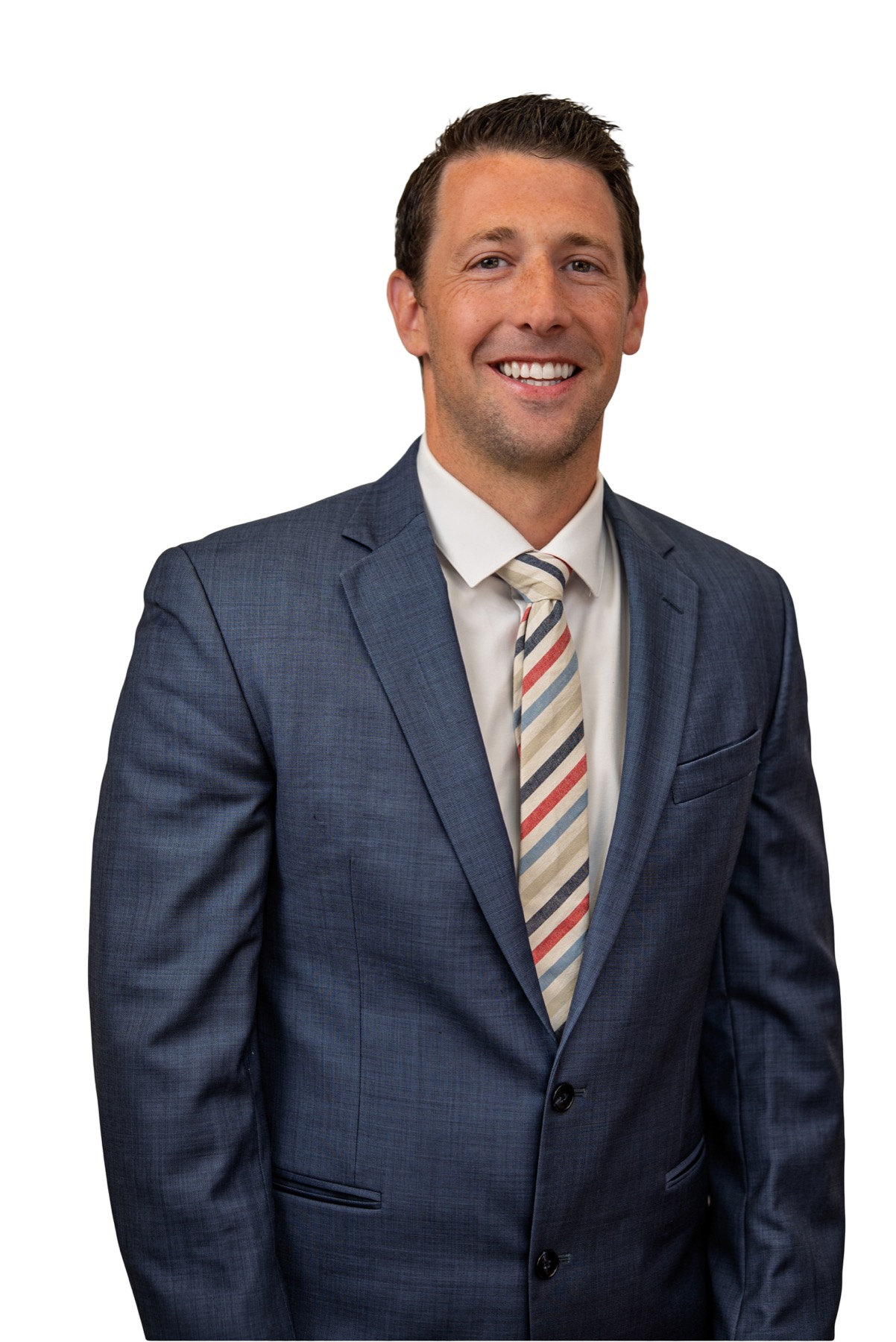
Shayne Kelly, DO — Fellowship-Trained Orthopedic Sports MedicineDr. Kelly completed his Orthopedic Sports Medicine Fellowship at the University of Missouri, where he served as team physician for Mizzou football, basketball, baseball, and volleyball. He is a board-certified orthopedic surgeon and a member of the AAOS, AOSSM, and AANA, performing arthroscopic shoulder surgery at Tri-City Orthopedics in Kennewick — D1-level sports medicine care for shoulders across the Tri-Cities, Yakima Valley, Walla Walla, and Eastern Oregon.